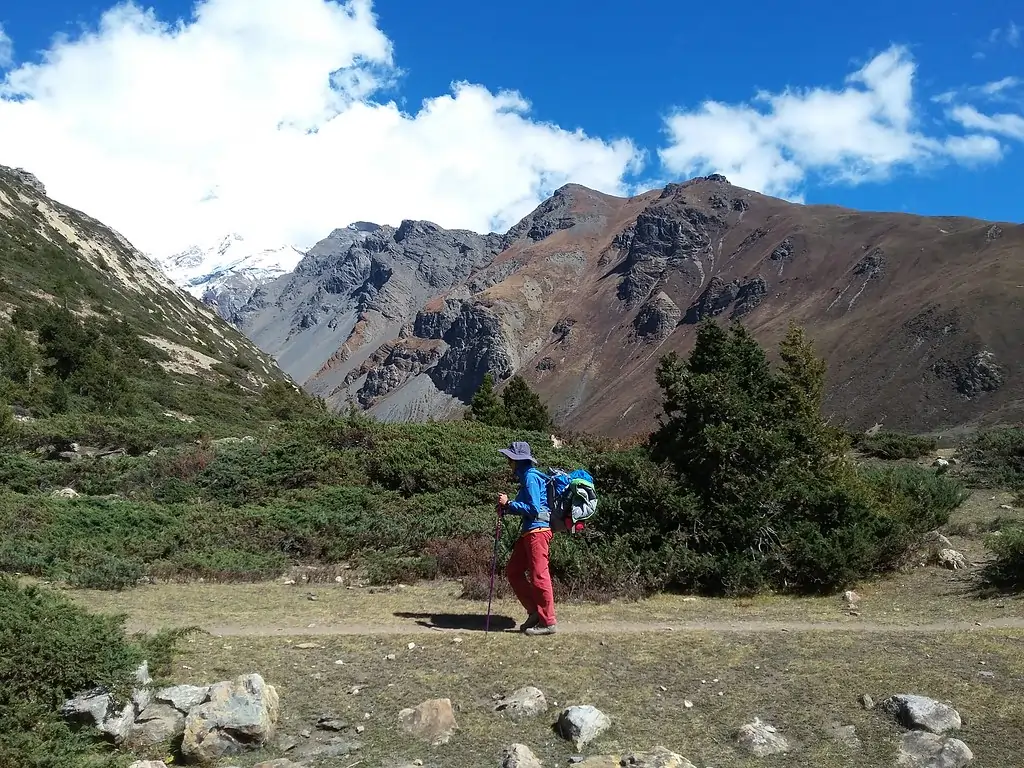
The Annapurna Circuit trek is one of the maximum lovely and traumatic trekking routes in Nepal. Via a diffusion of terrain, over high passes, and some distance out of reach of cities, this expedition calls for fitness, intellectual toughness, and properly training. one of the maximum crucial activities when you are out on this trek is ensure that you drink plenty of fluids so you aren’t placing your self at hazard using dehydrating.
Staying hydrated is critical for strength levels, maintaining against altitude sickness, overall health, and more. But altitude, exertion and frequently scarce get entry to to water make it challenging. in this specific manual, you could anticipate to read a few useful suggestions and recommendation on how to live nicely-hydrated to your Annapurna Circuit journey, so that you can experience your best for the duration of a while within the trails!
This article starts off with a background on why hydration is so important on a high-altitude trek. It then addresses the signs and the risk of dehydration and altitude sickness. You’ll find out how much water to drink and how best to access and treat water while on the trek. The blog also provides suggestions for hydration supplements, diet, and adjusting hydration with different weather conditions. Subsequently, the article offers a few suggestions for how to stabilize hydration and electrolyte supplementation for a high-quality hiking experience.
Adequate Hydration is Essential in the Annapurna Circuit Trek
At better elevations, your body dehydrates quicker because of extended respiratory efforts and dry air. In addition, the pressure of hiking immediately results in a loss of fluids via sweat. Complications, fatigue, dizziness, and symptoms of acute mountain sickness (AMS) can be visible as a result of dehydration.
Staying hydrated is essential to maintain stream, hold frame temperature, and lubricate joints, which are probably all essential for trekking stamina. It additionally facilitates maintaining you smooth-headed, which is mainly crucial at the same time as walking technical terrain and making picks on the trail.
Identify Symptoms of Dehydration and Altitude Sickness
Listen to your frame. Signs and symptoms encompass dry mouth, thirst, darkish urine, complications, and decreased urine output. Dehydration might also exacerbate early symptoms and symptoms of altitude contamination, together with headache, nausea, and dizziness.
When you have excessive signs and signs and symptoms, which consist of confusion, hassle breathing, or swelling, it’s essential to get medical assistance immediately and descend in case you need to. Hydration/stopping dehydration is a vital piece of altitude contamination prevention, AND there may be no way to get out of ingesting fluids often.
How Much Water Do You Need to Drink Each Day?
The standard recommendation is to drink about three to 4 liters of water in an afternoon for the duration of the trek. It is, of course, temperature-based, additionally, altitude-based, interest level-based, and person-dependent. In cooler weather, you may not experience thirst; however, hydration isn’t any less critical.
Sincerely tracking the color of your urine is a useful way to music hydration, with the shade indicating the extent of hydration: a light straw shade shows hydration is adequate, whilst darker shades indicate a need for more fluids.
Finding and Treating Water on the Trail
Although you can get boiled or bottled water at teahouses along the Annapurna Circuit, it is always a good idea to bring your water treatment system with you. If you decide to drink from mountain streams or springs, you also never know with they, since they can have bacteria or parasites.
If you use water purification tablets, a portable filter, or a UV purifying unit, you will have safe water to drink. Another good technique is to boil water for one minute or longer, but this takes fuel and time. Keep away from plastic waste by bringing a refillable water bottle or hydration bladder.
Hydration Supplements and Electrolytes
It’s no longer always sufficient to simply drink natural water, particularly in case you’re losing electrolytes from sweating. Bringing along some electrolyte capsules or powders to dissolve in your water is not a horrific concept, either. The ones that top off sodium, potassium, and magnesium, which save you from cramps and assist in maintaining muscle characteristics.
Natural options, at the side as coconut water or domestically made oral rehydration solution (ORS), can be useful. Live hydrated and stabilize your water and electrolyte consumption, as overhydration can cause hyponatremia, a doubtlessly deadly situation of blood sodium dilution.
Eating for Hydration
Water-dense meals, which include end result (apples, oranges, watermelon) and greens, additionally assist you stay hydrated. Fresh fruit is offered in lots of teahouses along the trek, try to take this herbal source.
Skip the extra caffeine and alcohol, which can be diuretics and motive dehydration. Select balanced food with the purpose to nevertheless offering you energy and nutrients to keep you going on your trek. For the trip, plan your meals with finger counting nutrients and the top 10 foods below, when creating a healthy trekking diet.
Hydrating in Various Environments
The weather on the Annapurna Circuit can change dramatically – hot, cold, sunny, rainy, and windy, all of which will have an impact on the amount you drink. Your body produces more drops of sweat on a hot day and thus needs a higher volume of fluid. You may not be as thirsty in the cold, but dry air still sets you up for dehydration.
Kneehill Valley can be quite lush and green, and the force from Calgary is best, even though it is organized for the usual rain or snow. Maintain water bottles included and be mindful of drinking, as running or on hot via detrimental situations can dehydrate you faster. Juggle your hydration co-co-co-live comfy.
Sensible guidelines to consider
- Take a small sip of water in place of a huge gulp straight away.
- Insulated bottles to maintain your water from freezing on cold days.
- Do no longer drink unfiltered water from unusual sources. Conveyahhydrationladder for mobility, even as trekking. Consuming water before you experience thirst is the way to get ahead of dehydration.
- Listen to your frame and drink fluids in line with thirst.
Final Thoughts
Pinnacle Tips for Hydration on the Annapurna Circuit. The significance of staying hydrated on the Annapurna Circuit Trek can’t be overemphasised. If you know the demanding situations of hydration in the high-altitude context and gear up with a shrewd strategy, you’ll revel in enhanced patience, a diminished danger of altitude illness, and a far higher time during the trip. Hold in mind, although, that hydration is a system, not a one-and-done solution. With a bit of guidance and a consciousness within the agility of the human frame in its capability to evolve, you may slide through the valleys, fueling your body with fluids and soaking in the breathtaking splendor and cultural wealth that the Annapurna area affords.